Skip to content
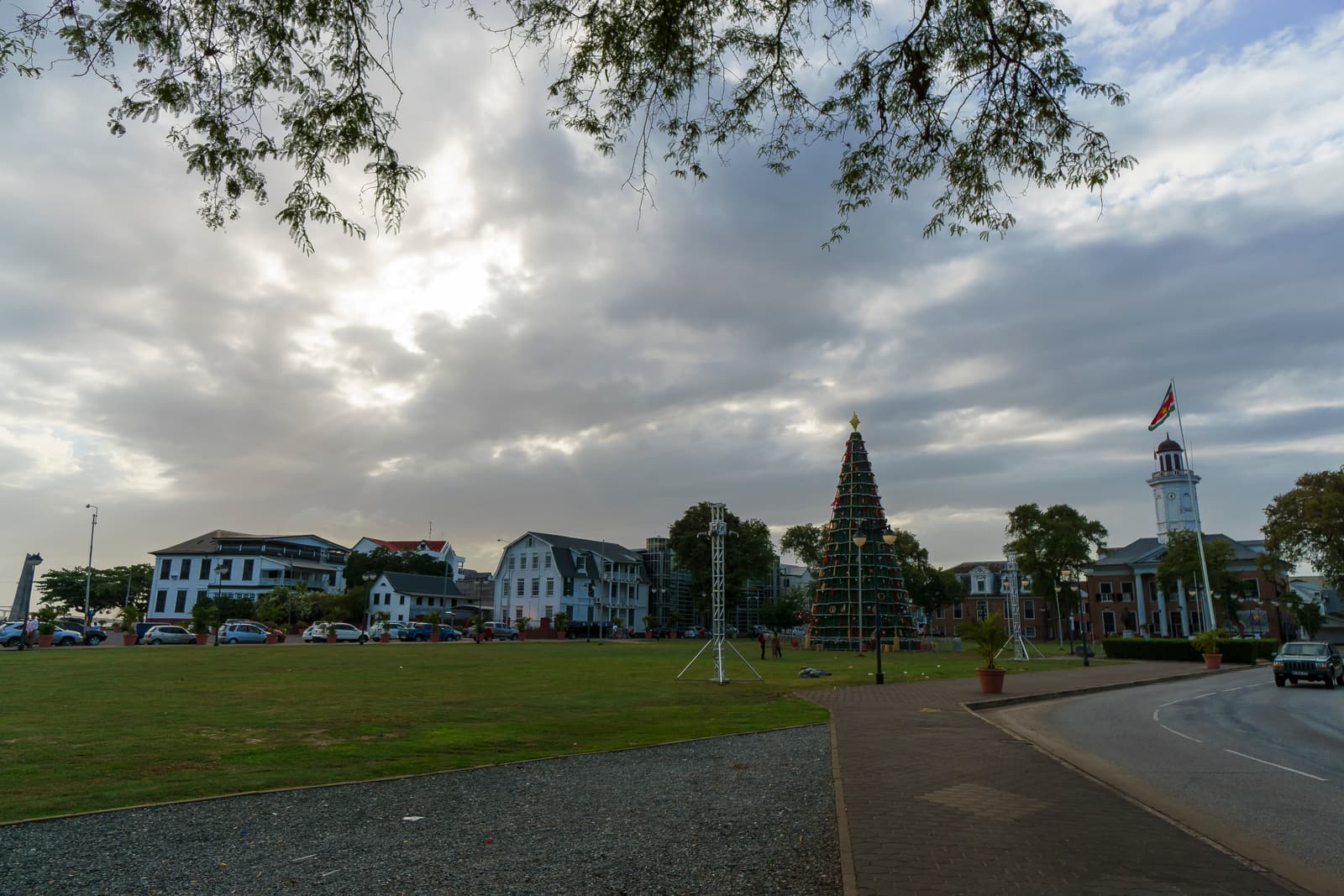
Colonial buildings near Independence Square in Paramaribo

Places to Visit

From the fort where Paramaribo began to the turtle beaches at the mouth of the Marowijne.

Paramaribo’s sights fall into three easy groups. The historic city is walkable in a day. Commewijne, the old plantation district across the Suriname River, takes a day by bicycle and small boat. And the interior and coast — rainforest, Maroon rivers and turtle beaches — need anything from one long day to most of a week.

Each guide below covers what there is to see, how to get there from the city, practical tips and the tours you can actually book.
Historic Paramaribo

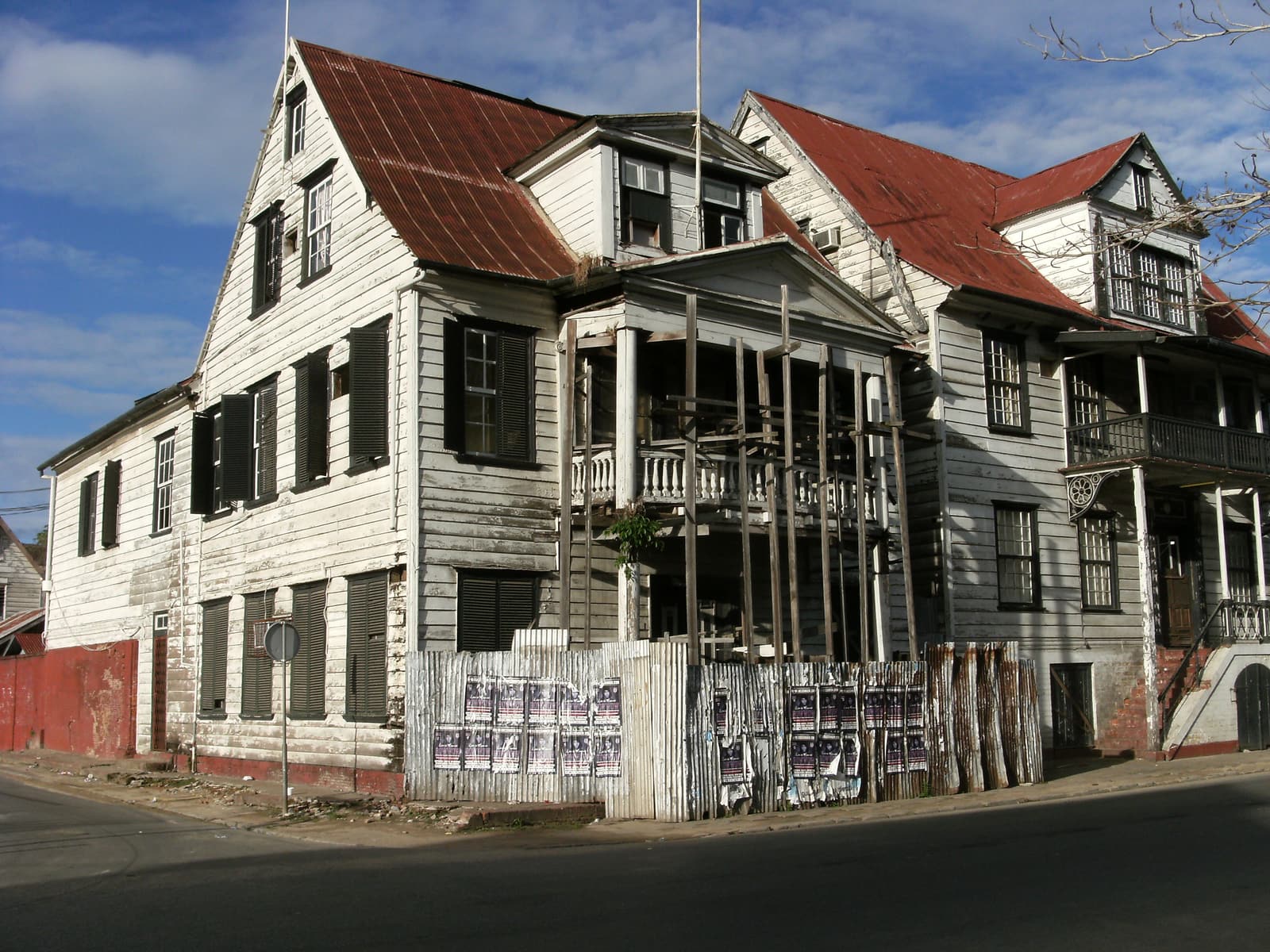
White wooden merchants’ houses along the Waterkant in Paramaribo Historic Paramaribo

Historic Inner City & Waterkant

The white wooden capital on the Suriname River

A Dutch colonial town built almost entirely of wood, inscribed by UNESCO in 2002. The riverside Waterkant, Independence Square with the Presidential Palace, and street after street of white houses with green shutters make the best free walk in the Guianas.

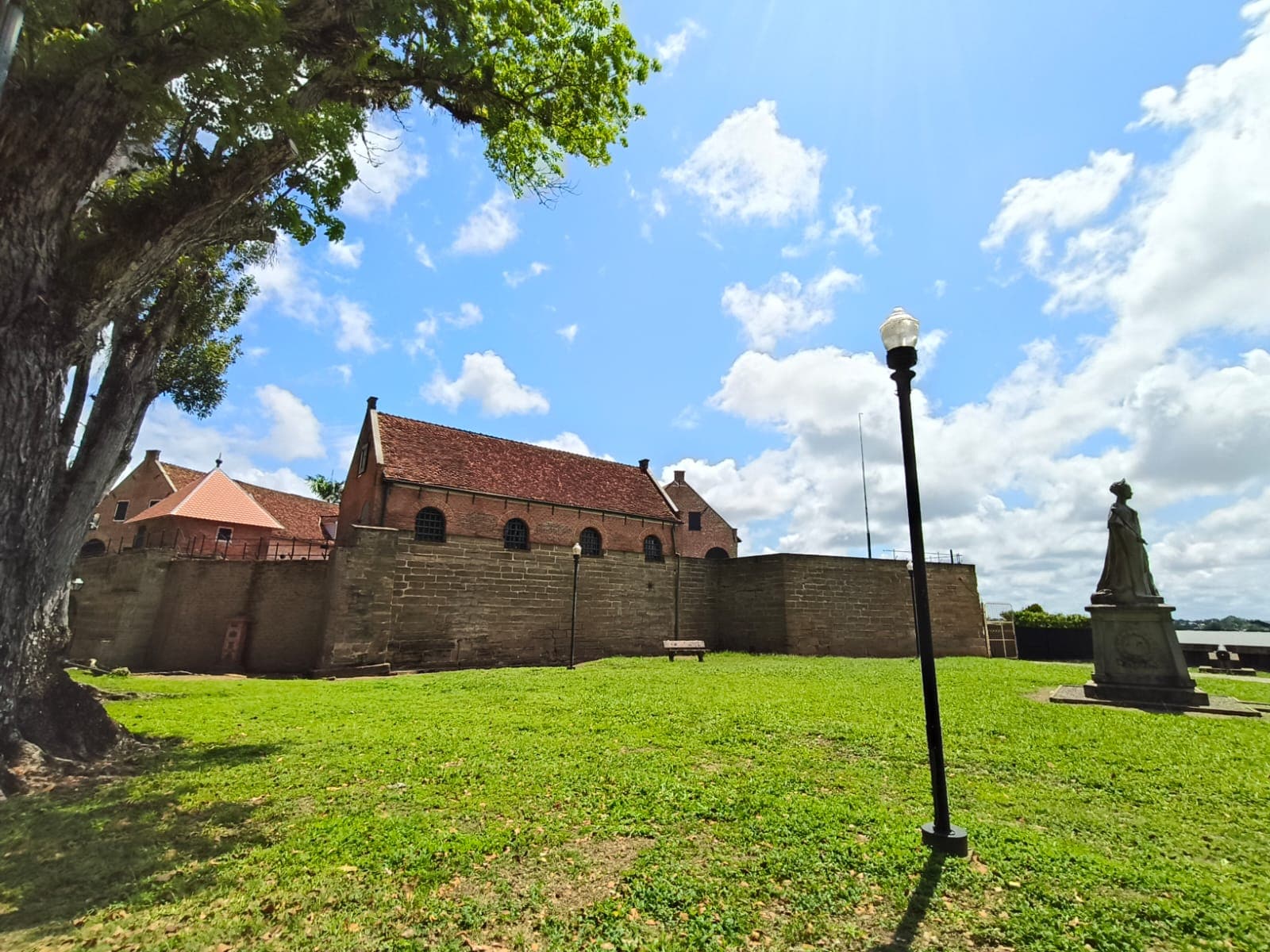
The brick walls and red roofs of Fort Zeelandia seen from the riverside lawn Historic Paramaribo

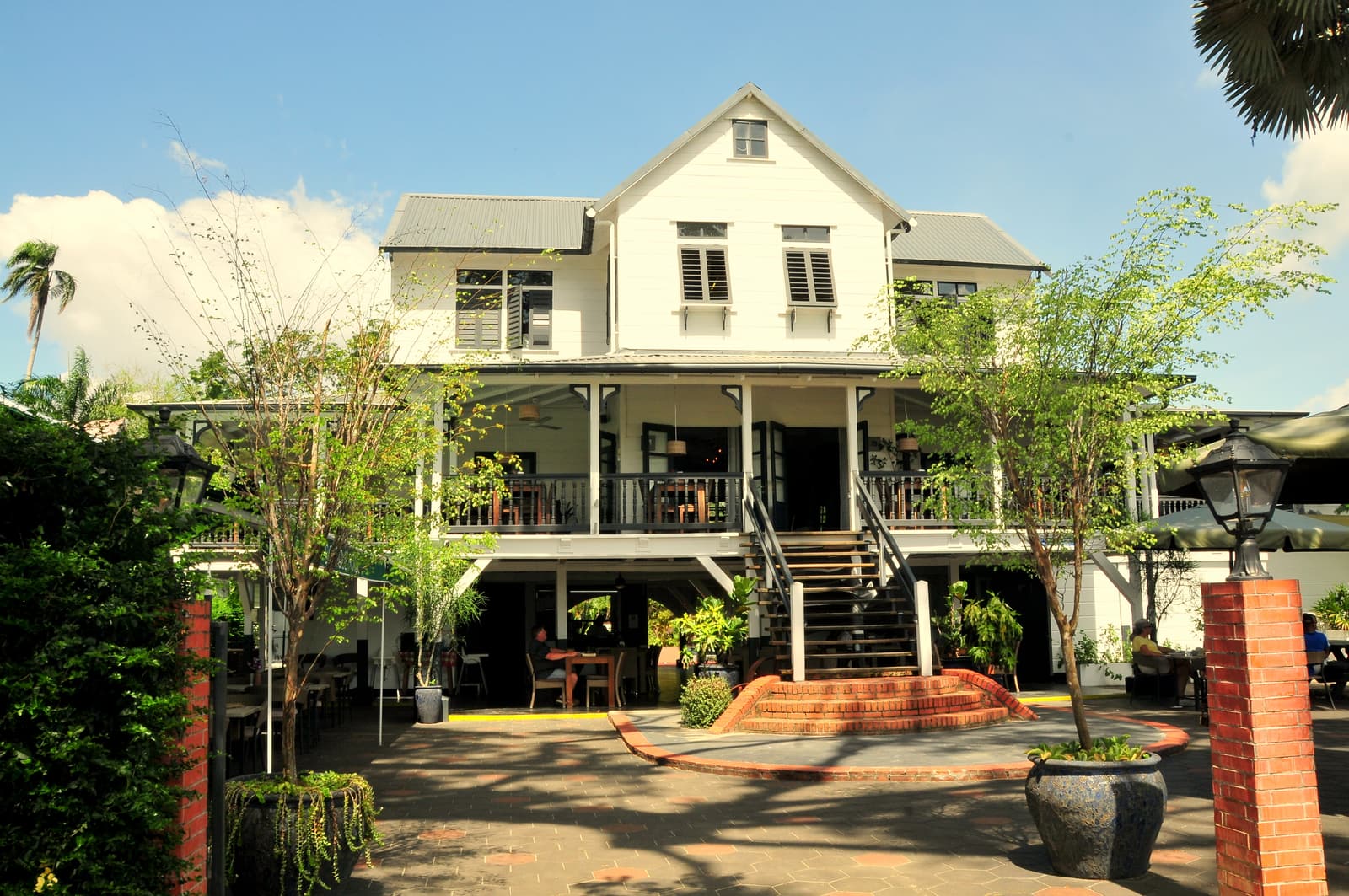
Fort Zeelandia

Where Paramaribo began

The small pentagonal brick fort on the river bend from which the city grew. Taken by a fleet from Zeeland in 1667, later a barracks and prison, and the scene of the December murders of 1982, it now houses the Surinaams Museum.

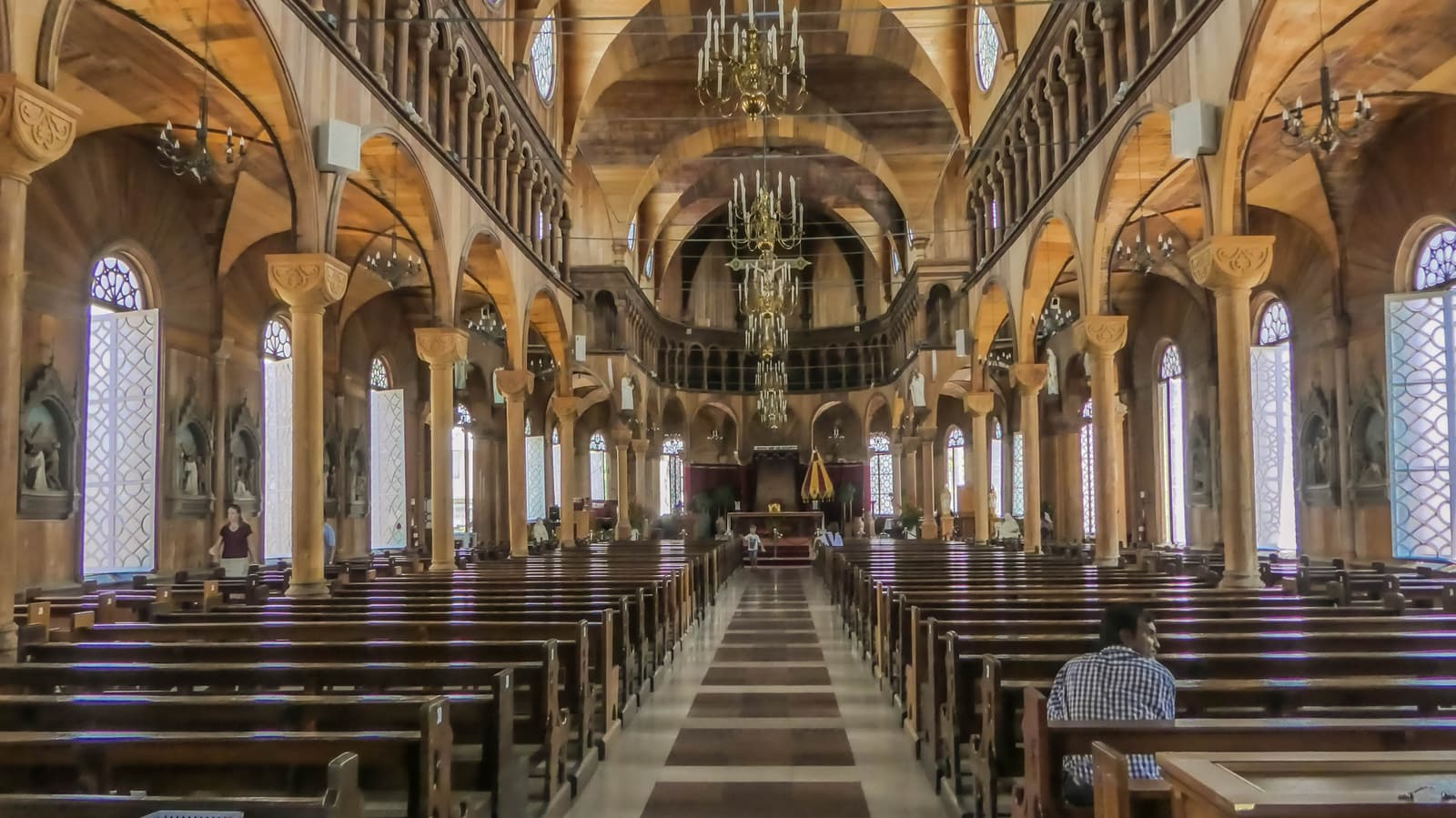
The honey-coloured cedar interior of Saint Peter and Paul Cathedral in Paramaribo Historic Paramaribo

Saint Peter and Paul Cathedral

A cathedral built of wood

The yellow-and-grey twin-towered cathedral on Henck Arronstraat was built in the 1880s entirely of timber and is often described as one of the largest wooden buildings in the Americas. The unpainted cedar interior is the surprise.

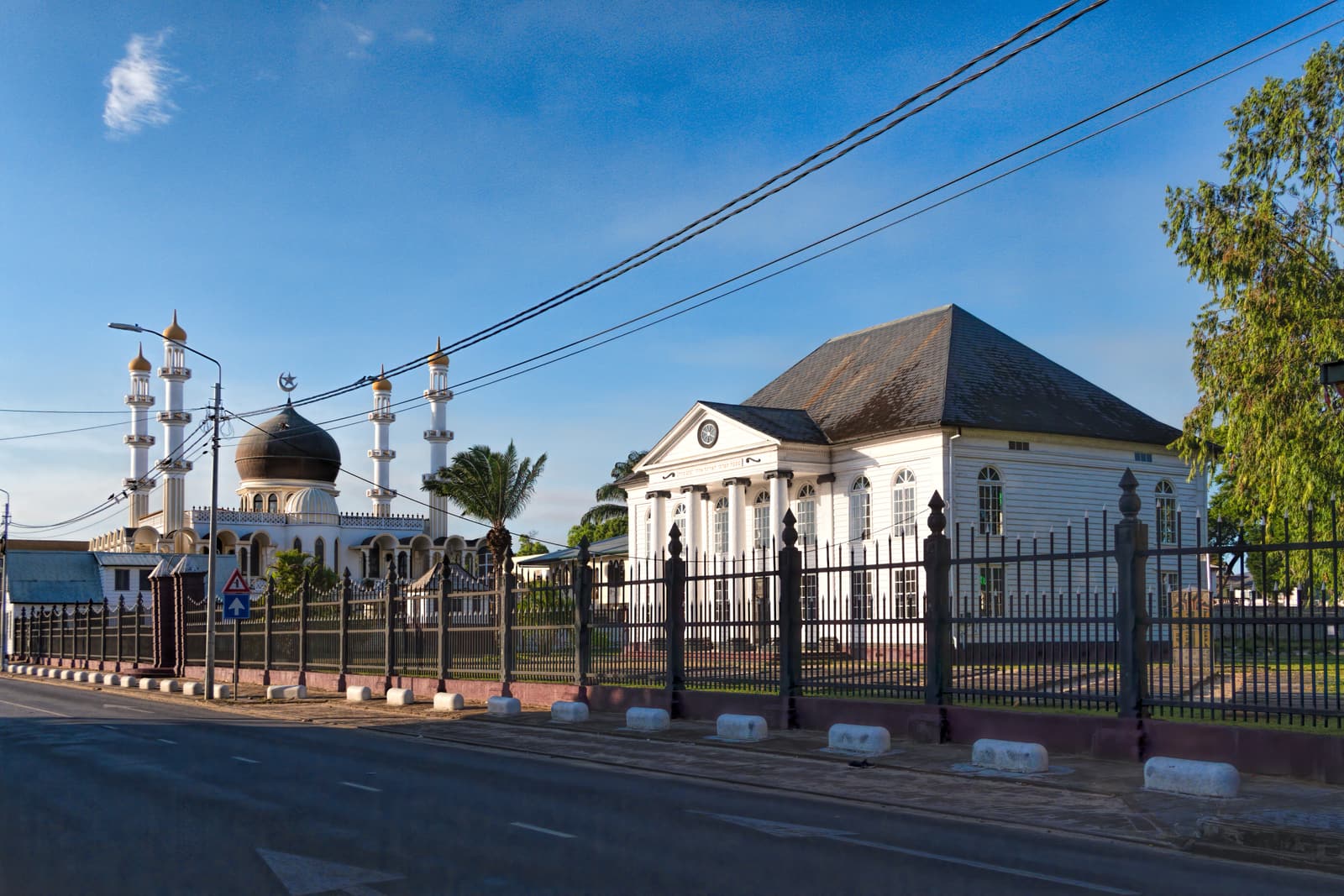
The Neveh Shalom synagogue and the Keizerstraat mosque standing side by side Historic Paramaribo

Keizerstraat Mosque & Synagogue

Two faiths, one garden wall

On Keizerstraat the Neveh Shalom synagogue and the city’s main mosque stand side by side, sharing a boundary. It is Paramaribo’s most photographed street corner and the shortest explanation of how the city sees itself.

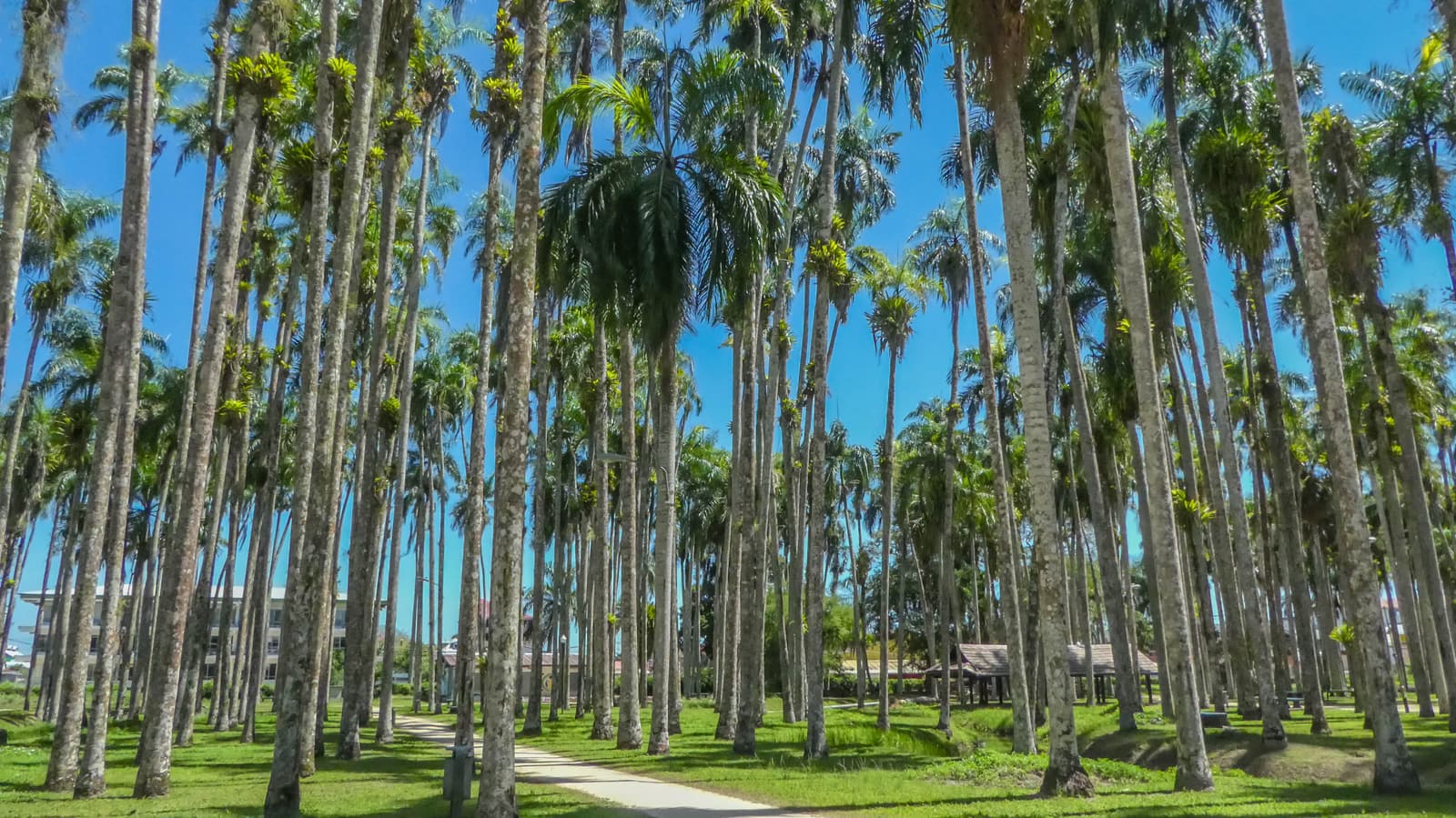
Tall royal palms in the Palmentuin in Paramaribo Historic Paramaribo

Palmentuin

A thousand royal palms behind the palace

The Palm Garden is a shady grid of tall royal palms behind the Presidential Palace, laid out in the 17th century as the governor’s garden. Part of the World Heritage site, free to enter and the coolest place in the centre at midday.

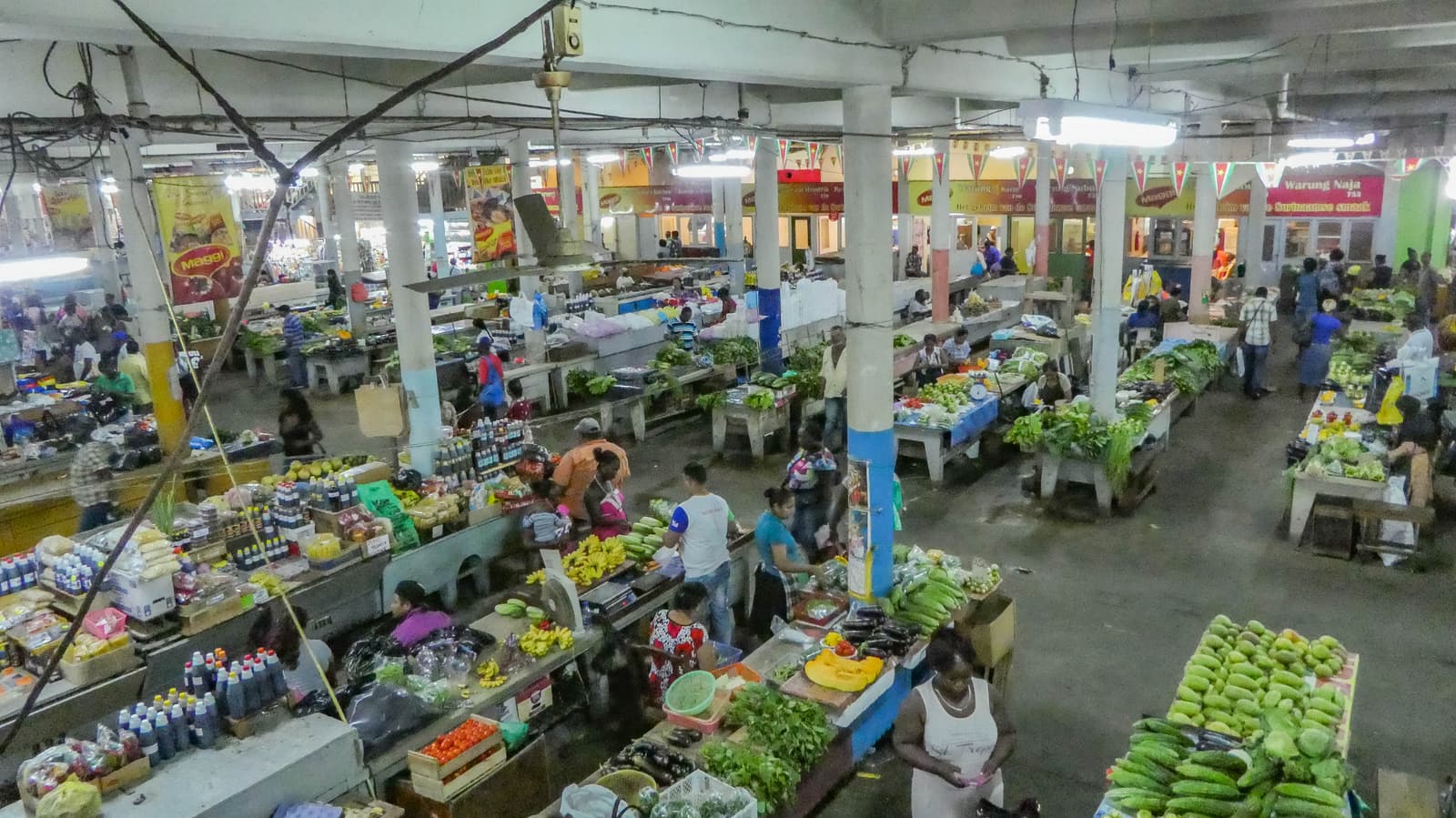
Stalls inside the Central Market in Paramaribo Historic Paramaribo

Central Market

The whole country under one roof

The big covered market hall on the Waterkant is where the city shops: river fish, Javanese vegetables, Hindustani spices, Maroon herbs and cassava bread, loud and busy from early morning. Go before noon, and not on a Sunday.

Commewijne & the river

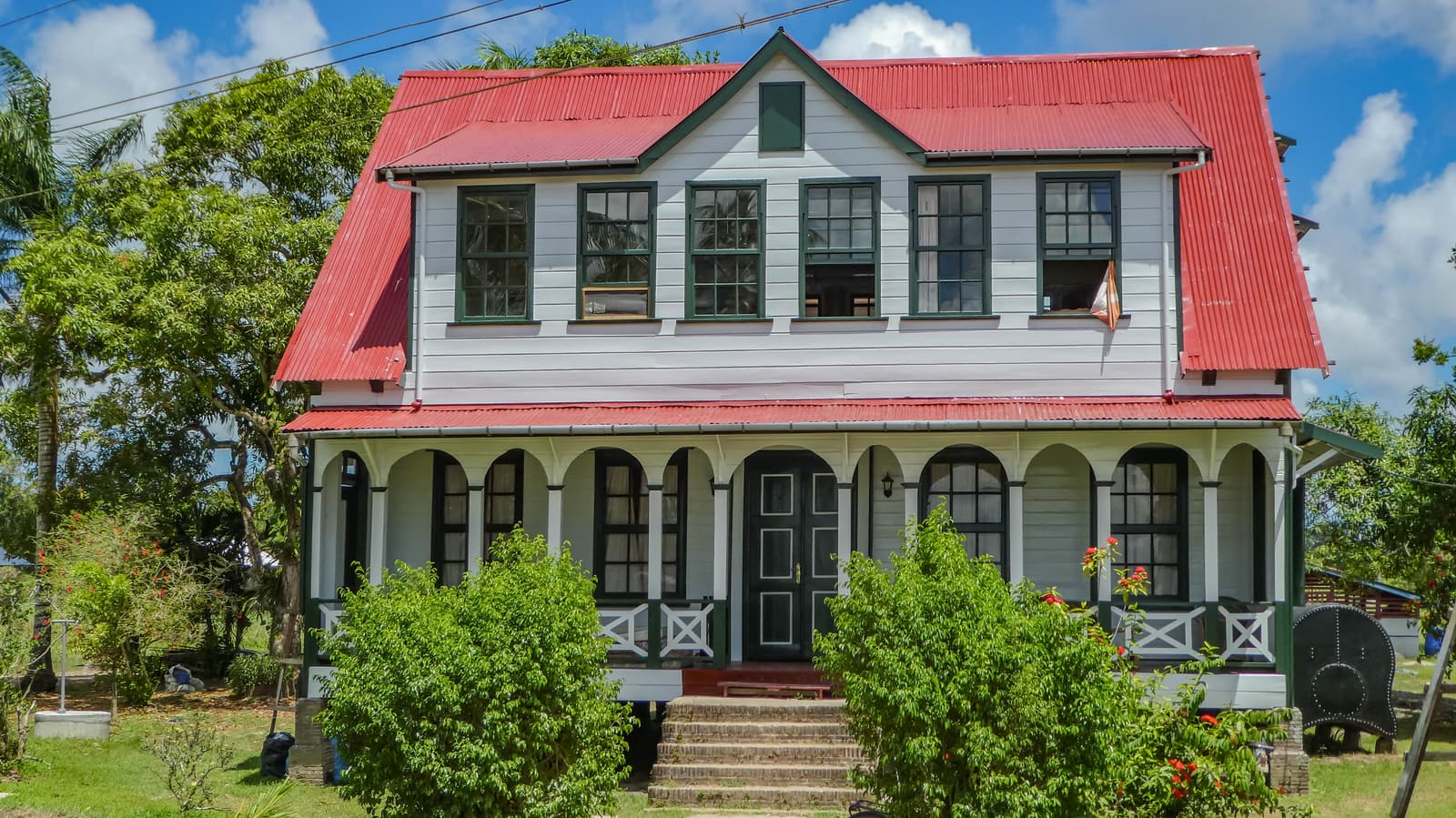
A restored plantation house at Peperpot in Commewijne Commewijne & the river

Peperpot Nature Park

A plantation taken back by the forest

One of Suriname’s oldest plantations, a few kilometres across the river from the city. Coffee and cocoa gave way to secondary forest, and a flat trail now runs past the old buildings through trees full of squirrel monkeys and birds.

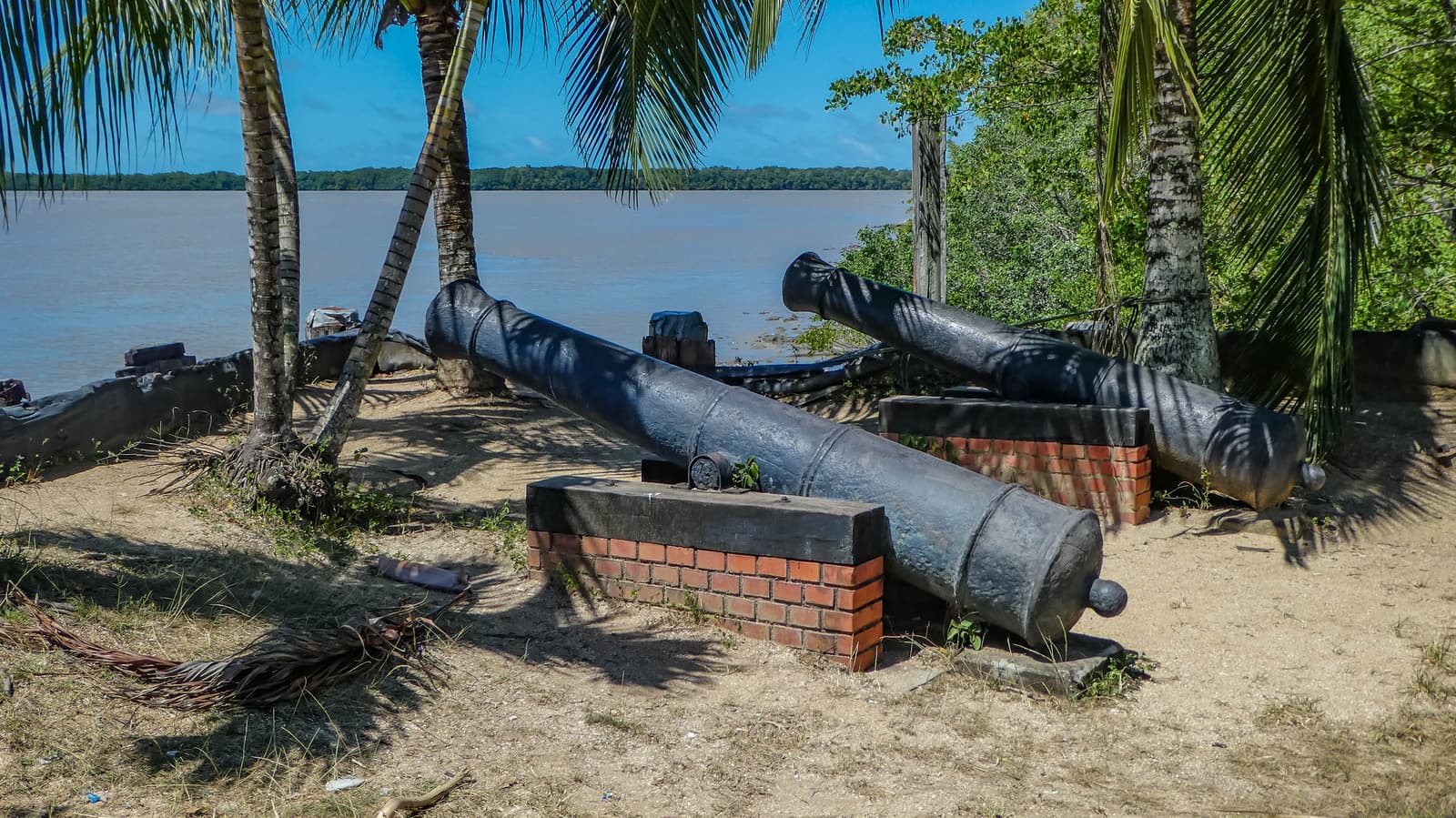
An old cannon at Fort Nieuw Amsterdam in Suriname Commewijne & the river

Fort Nieuw Amsterdam

The star fort where two rivers meet

A five-pointed 18th-century earthwork fort at the confluence of the Suriname and Commewijne rivers, built to guard the plantations and the capital. Today it is a breezy open-air museum of cannons, powder houses and colonial history.

The restored plantation house at Frederiksdorp on the Commewijne River Commewijne & the river

Frederiksdorp & Mariënburg

Sleep on a plantation, walk through a sugar factory

Frederiksdorp is a carefully restored 18th-century coffee and cocoa plantation on the Commewijne River, now a small heritage hotel. Across the water, the rusting sugar factory of Mariënburg tells the harder story of contract labour.

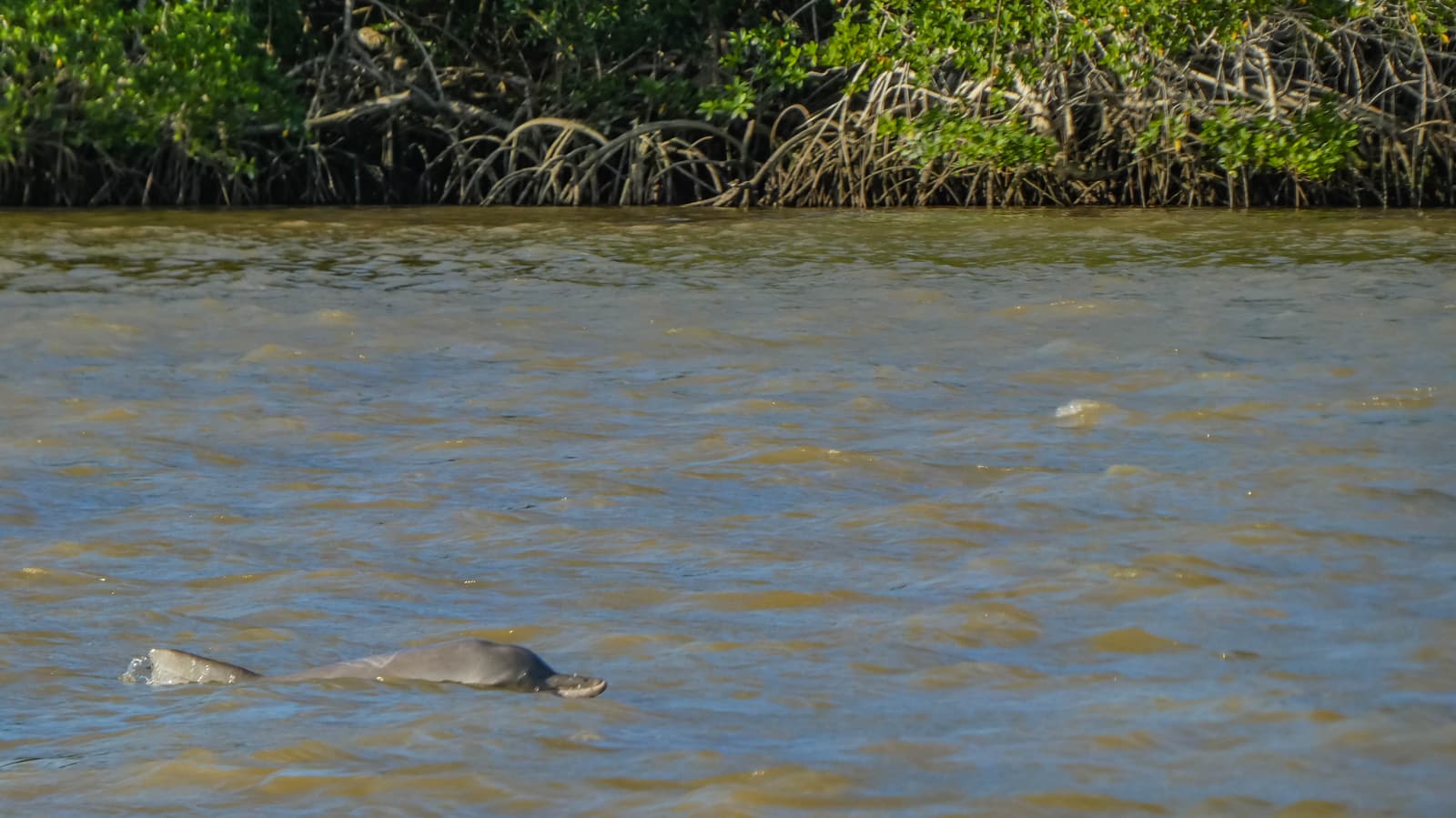
A Guiana dolphin surfacing in the Commewijne River Commewijne & the river

River Dolphins

Guiana dolphins at sunset

Where the Suriname and Commewijne rivers meet, a resident group of Guiana dolphins — profosu in Sranan Tongo — feeds in the brown water. Small boats go out from Leonsberg in the late afternoon and sightings are very likely.

Rainforest, rivers & coast

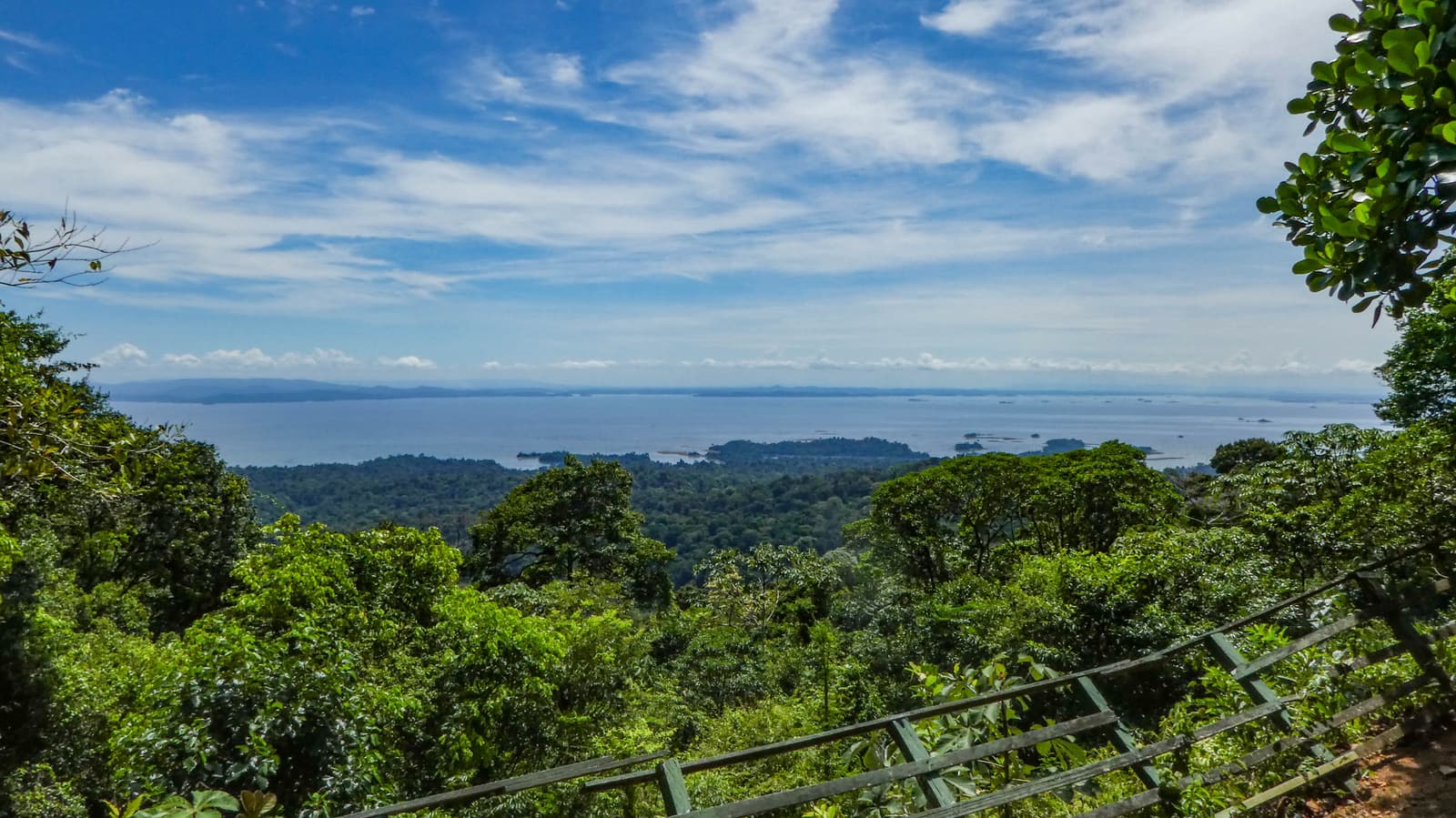
View over the Brokopondo Reservoir from Brownsberg Rainforest, rivers & coast

Brownsberg & Brokopondo

Rainforest plateau above a drowned forest

Brownsberg Nature Park is a 500-metre forested plateau about 130 km south of the city, with waterfalls, monkeys and a famous view over the Brokopondo Reservoir — a vast lake from which the trunks of a flooded forest still rise.

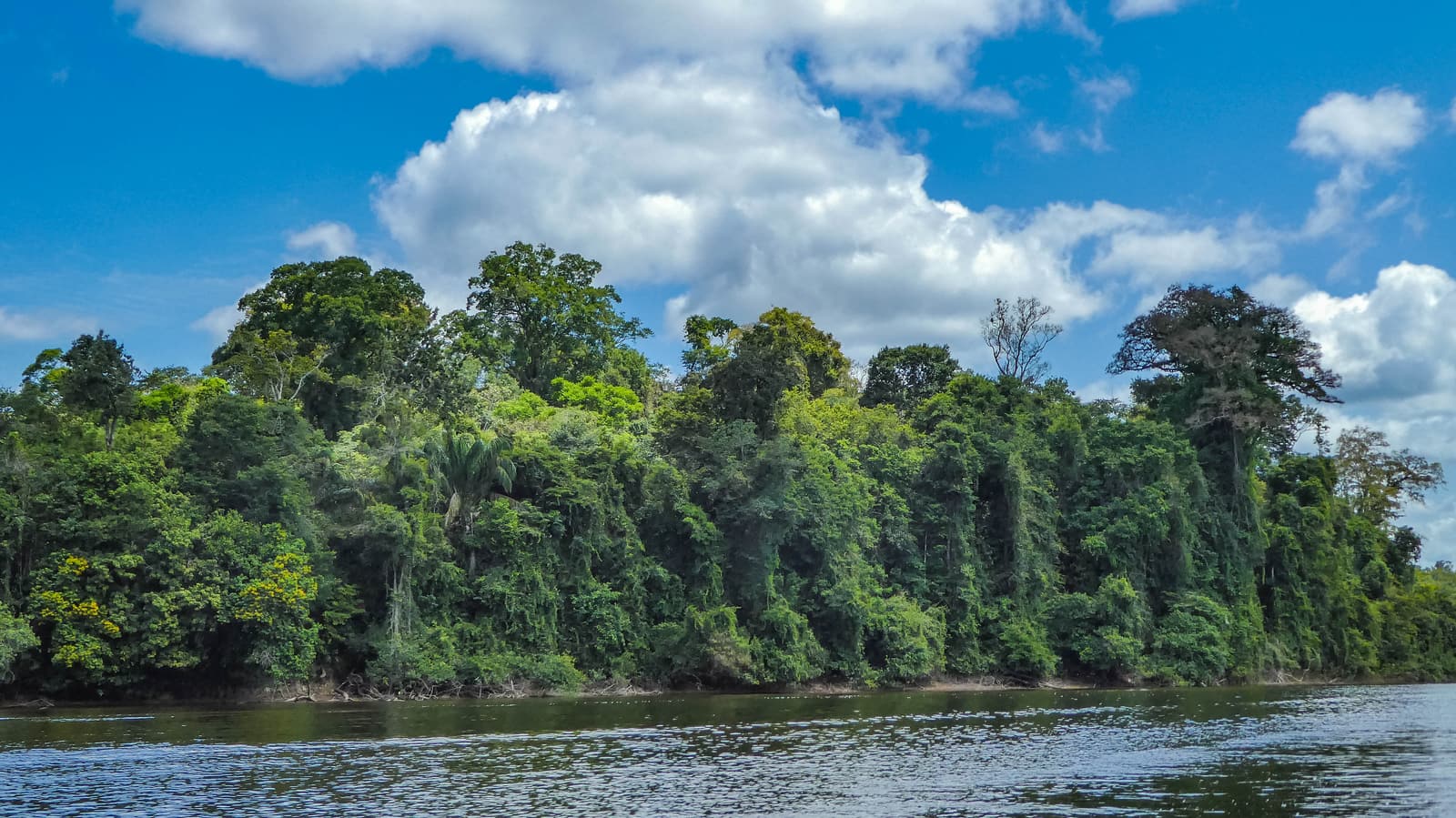
A dugout canoe on the forest-lined Upper Suriname River Rainforest, rivers & coast

Upper Suriname River

Maroon villages by dugout canoe

From the end of the road at Atjoni, motorised dugouts carry you upriver past rapids to the villages of the Saamaka Maroons, descendants of Africans who freed themselves from the plantations. River lodges make it the most rewarding trip in the country.

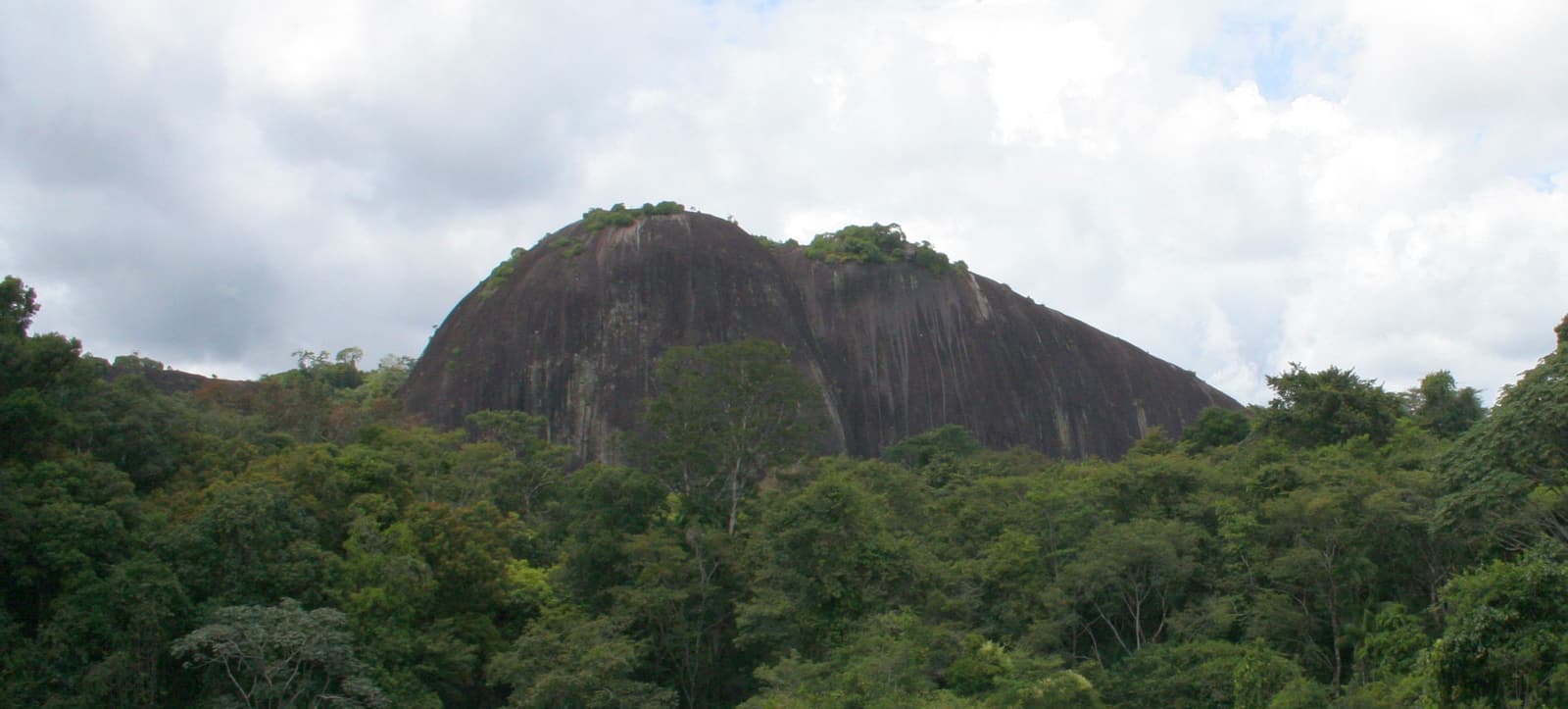
The granite Voltzberg rising above the rainforest in central Suriname Rainforest, rivers & coast

Central Suriname Nature Reserve

1.6 million hectares of untouched forest

A UNESCO World Heritage wilderness covering about a tenth of the country. Visitors see its northern edge at Raleighvallen on the Coppename River: rapids, the granite dome of the Voltzberg and the display grounds of the orange Guianan cock-of-the-rock.

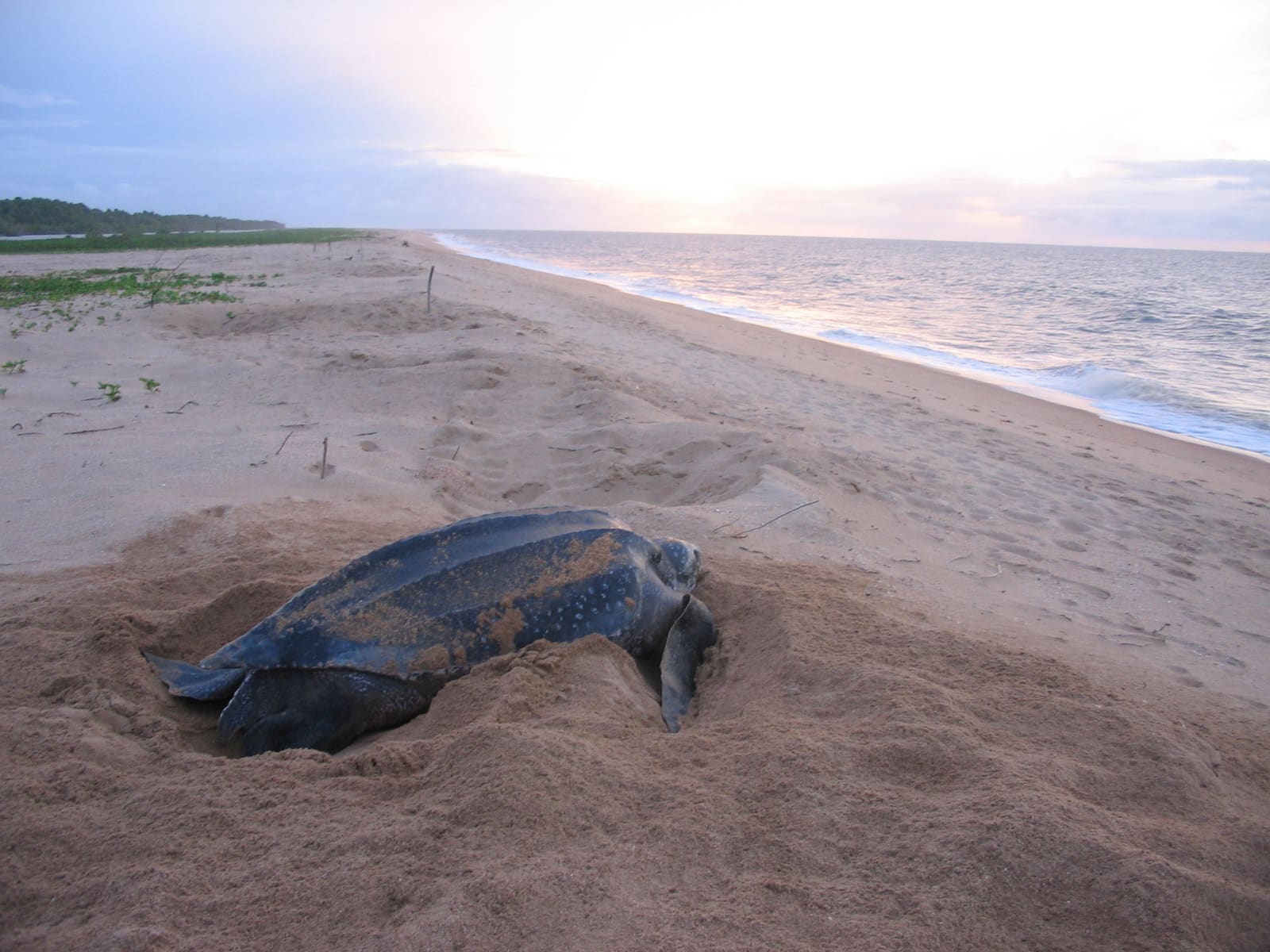
A leatherback turtle on the beach near Galibi Rainforest, rivers & coast

Galibi

Sea turtles and Kaliña villages

At the mouth of the Marowijne River, facing French Guiana, the beaches of the Galibi Nature Reserve are among the most important sea-turtle nesting sites in the region. You stay in a Kaliña (Carib) village and walk the beach by night in season.

Putting them together

A sensible first trip is two days in the city and Commewijne followed by three days upriver or at Brownsberg. For day-by-day suggestions see the itineraries in the Paramaribo travel guide, and for the weather that decides whether rivers are high and turtles are nesting, see when to go.

Plan your visit

Make Paramaribo the surprise of your South America trip

Walk the wooden city in the morning, cross to the plantations of Commewijne in the afternoon and watch dolphins at sunset. Compare city tours, day trips and rainforest journeys — and book in a couple of taps.