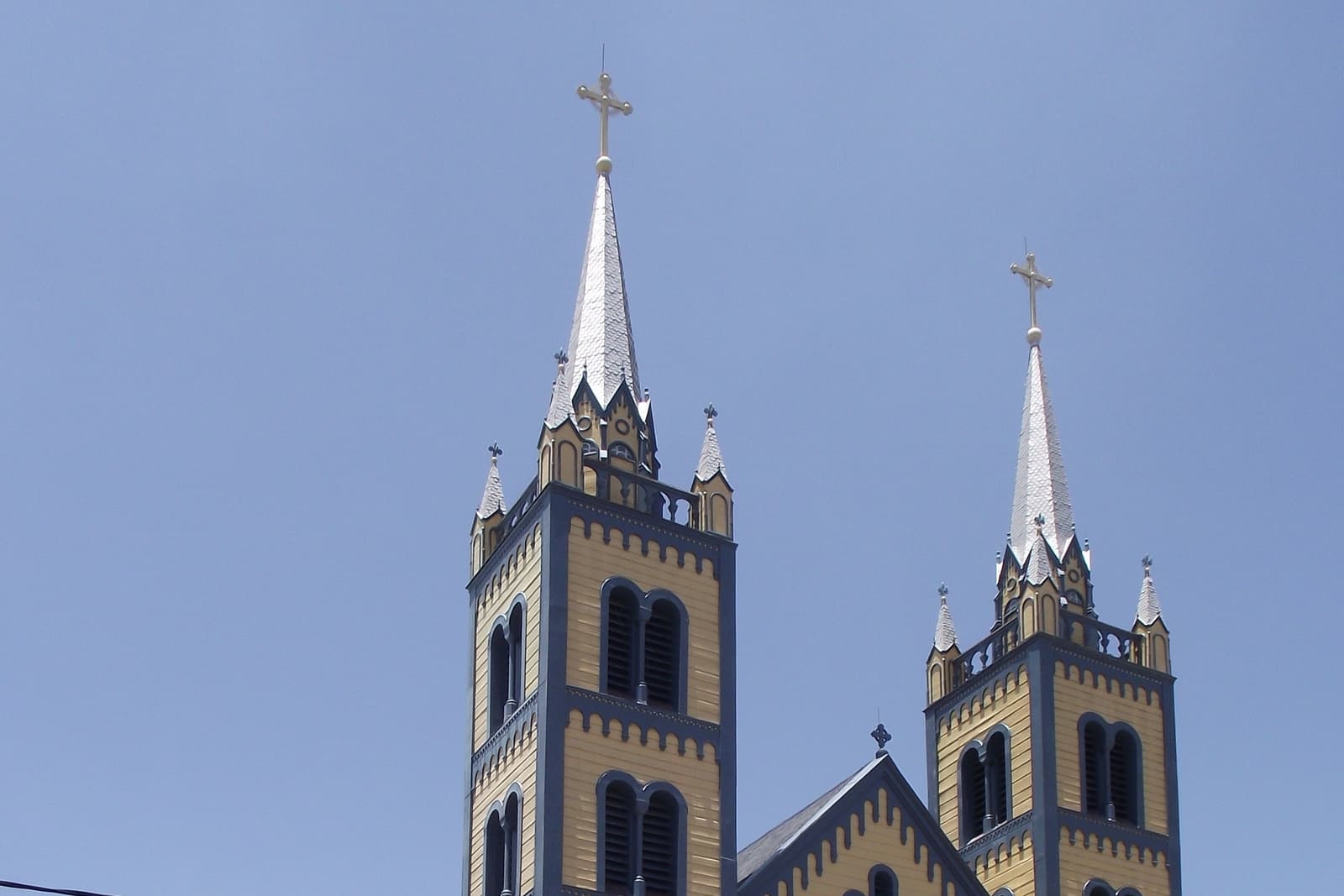
From outside, the Roman Catholic cathedral on Henck Arronstraat looks like a neo-Gothic stone church painted yellow and grey. It is in fact built entirely of wood, between 1883 and 1885, and is regularly described as one of the largest wooden buildings in the Americas. Its two towers rise to roughly forty-four metres.
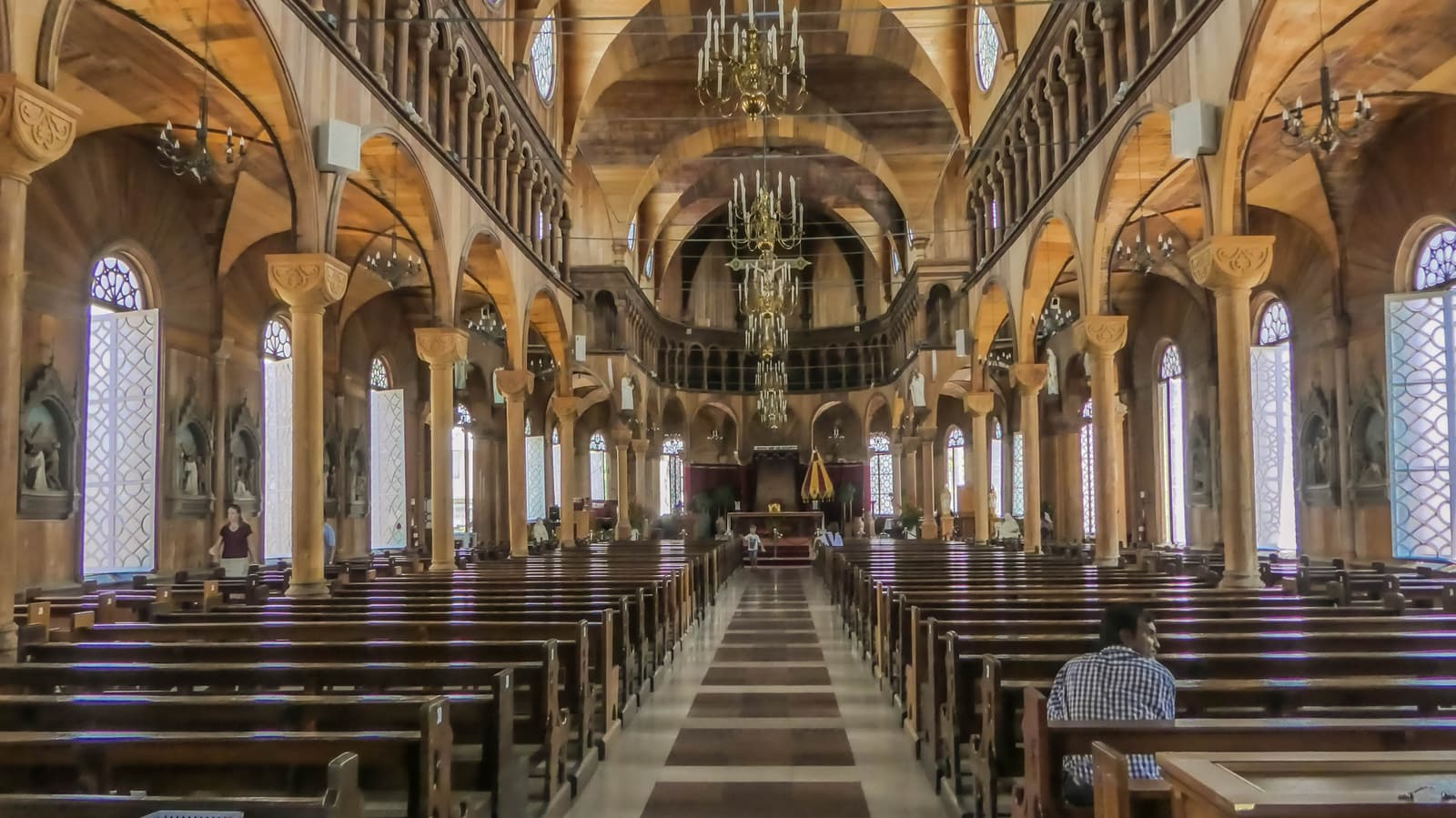
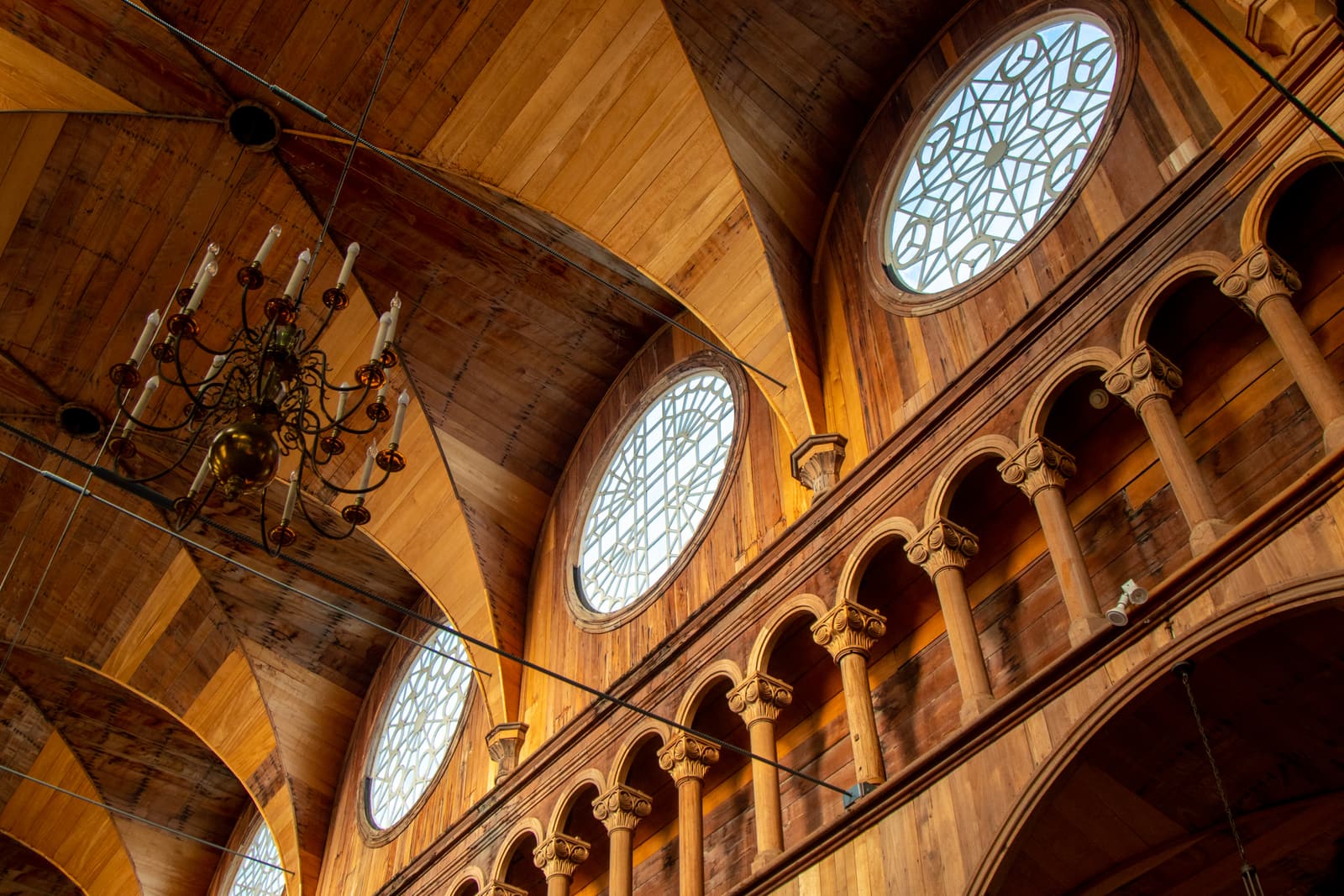
The real surprise is inside. The walls, columns, arches and vaults are of unpainted Surinamese cedar, left the colour of honey, so that the whole interior glows.
Top things to do: Saint Peter and Paul Cathedral
Step inside
Give your eyes a minute to adjust and then look up: every arch and capital has been carved from cedar. The building was designed by a Redemptorist lay brother, Frans Harmes, and built by local carpenters. The nave is cool and smells faintly of wood.
The story of the restoration
By the late 20th century the cathedral was leaning and closed for safety. A long restoration, supported from abroad, straightened and repaired it, and it reopened in 2010. In 2014 it was given the title of minor basilica.
Peerke Donders
The tomb of Petrus Donders, a Dutch priest who spent decades working among people with leprosy at Batavia on the Coppename River and was beatified in 1982, is in the cathedral and is a place of pilgrimage for Surinamese Catholics.
Henck Arronstraat
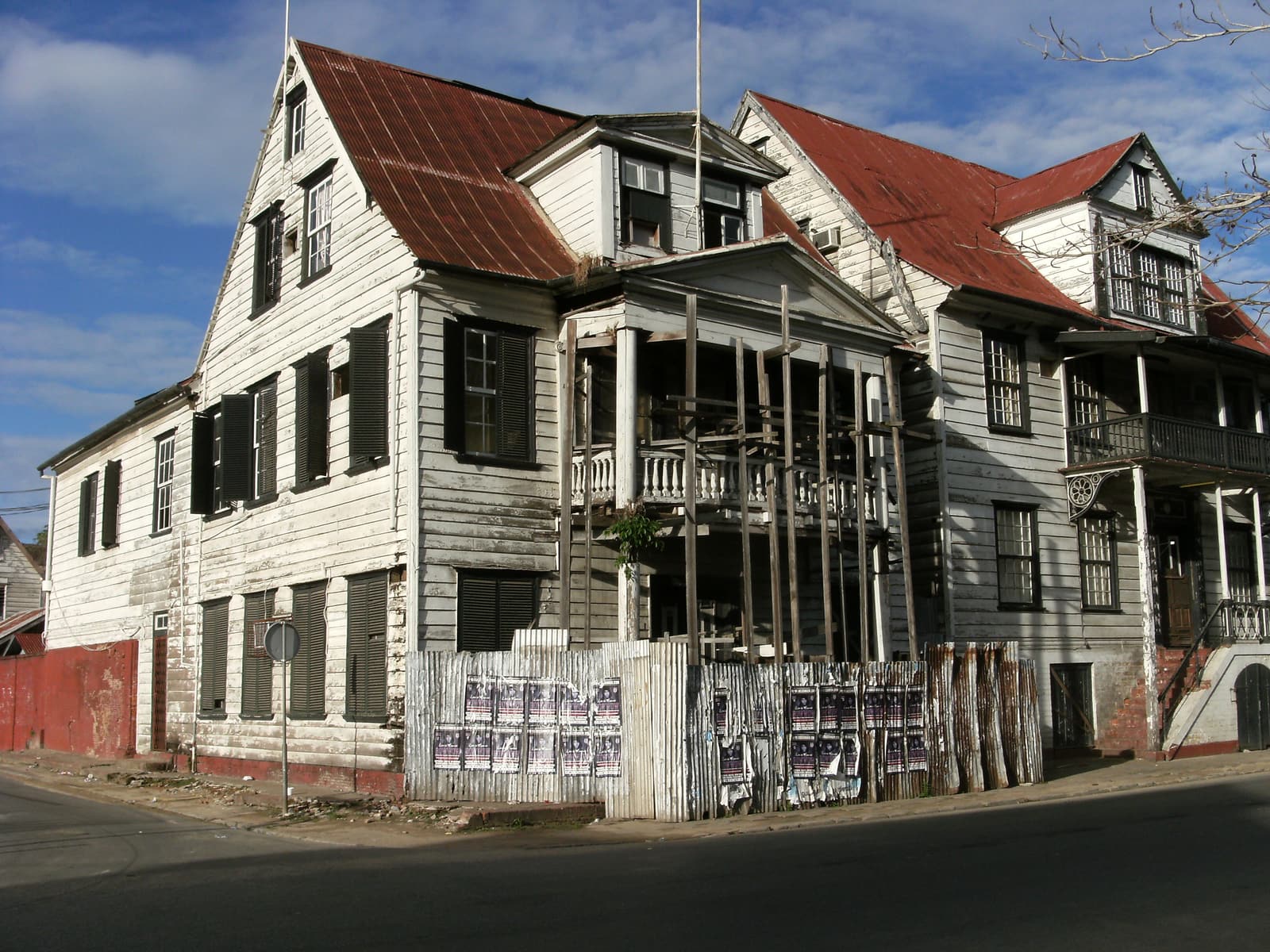
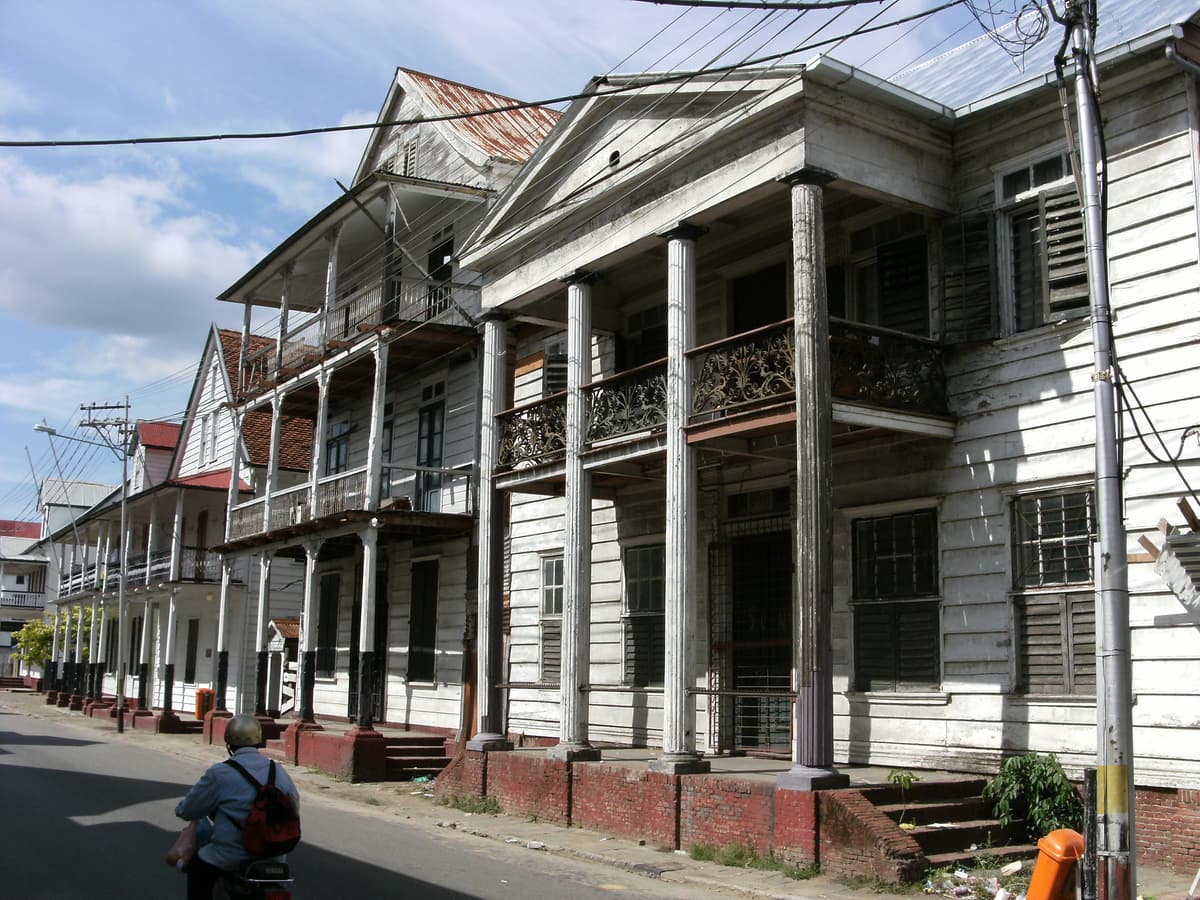
The street outside, formerly Gravenstraat, is lined with some of the finest wooden mansions in the city, many now ministries. It runs straight to Independence Square.
How to get to Saint Peter and Paul Cathedral
- The cathedral is on Henck Arronstraat, about five minutes’ walk west of Independence Square and ten from the Waterkant.
- It fits naturally between the square and Keizerstraat on a walk through the inner city.
- Taxis can drop you at the door.
Insider tips
- The church is generally open to visitors on weekday mornings and around services; hours vary, so try the door or ask at the parish office.
- This is a working church: dress modestly and do not walk around during mass.
- There is no fixed admission charge, but a donation towards upkeep is welcome — a wooden cathedral in the tropics is never finished being repaired.
- Morning light through the east windows is best for seeing the colour of the wood.
Tours: Saint Peter and Paul Cathedral
GetYourGuide lists only a handful of Suriname tours. These are the real, bookable ones most relevant to Saint Peter and Paul Cathedral:
 Private tour from €799 per group
 Paramaribo: Heritage & Landmarks Private Guided Walking Tour
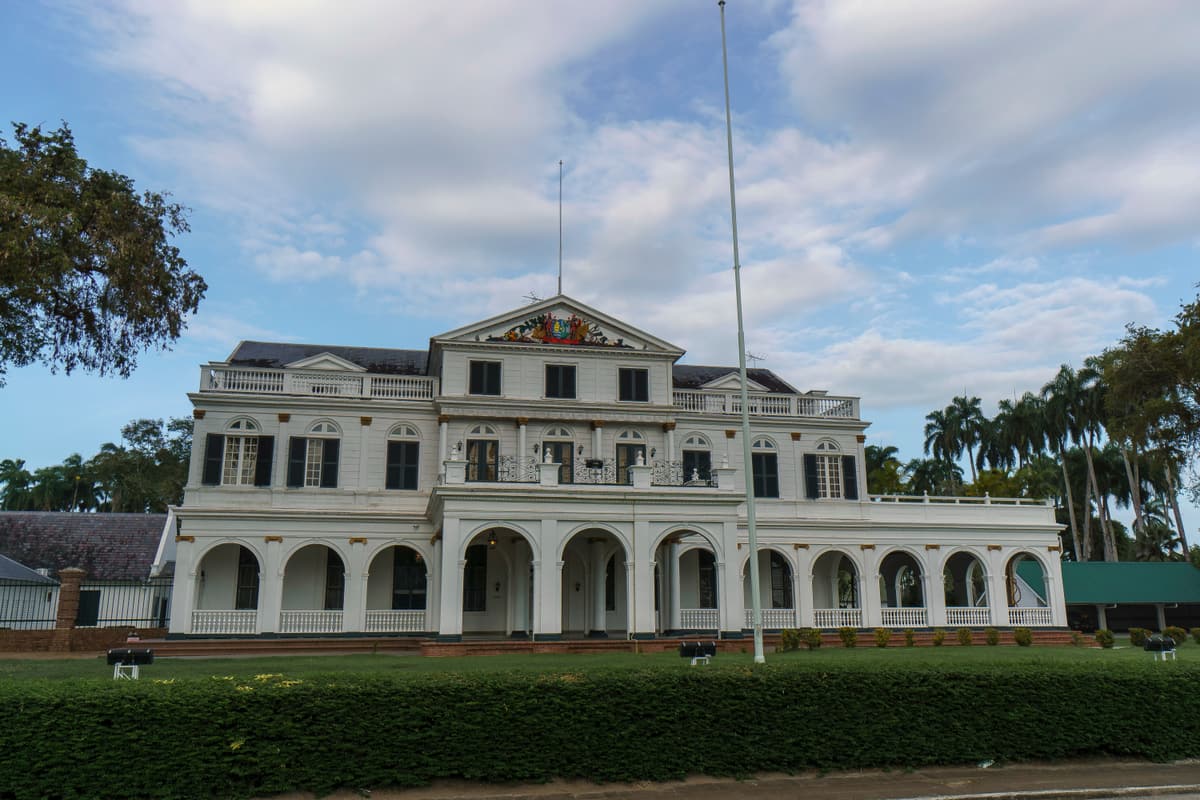
The one dedicated city tour of Paramaribo on GetYourGuide: a private five-hour walk through the UNESCO-listed inner city with a local guide, taking in Fort Zeelandia, the Palm Garden, the markets and the Waterkant, with a meal along the way. It is priced per private group of up to three, so it works best when you can share the cost.
- Fort Zeelandia, the Palmentuin and the riverside
- Markets and colonial landmarks with a local guide
- Private group, meal included
 Workshop from €55
 Paramaribo: Hands-on Aromatherapy Candle Making Workshop
A gentle ninety-minute workshop in the city in which you pour and scent your own candle to take home. It has nothing to do with sightseeing, which is exactly the point: a good filler for a rainy afternoon or the hot middle of the day.
- Make your own Suriname-inspired candle
- Small group in a tropical setting
- A souvenir you take home the same day